
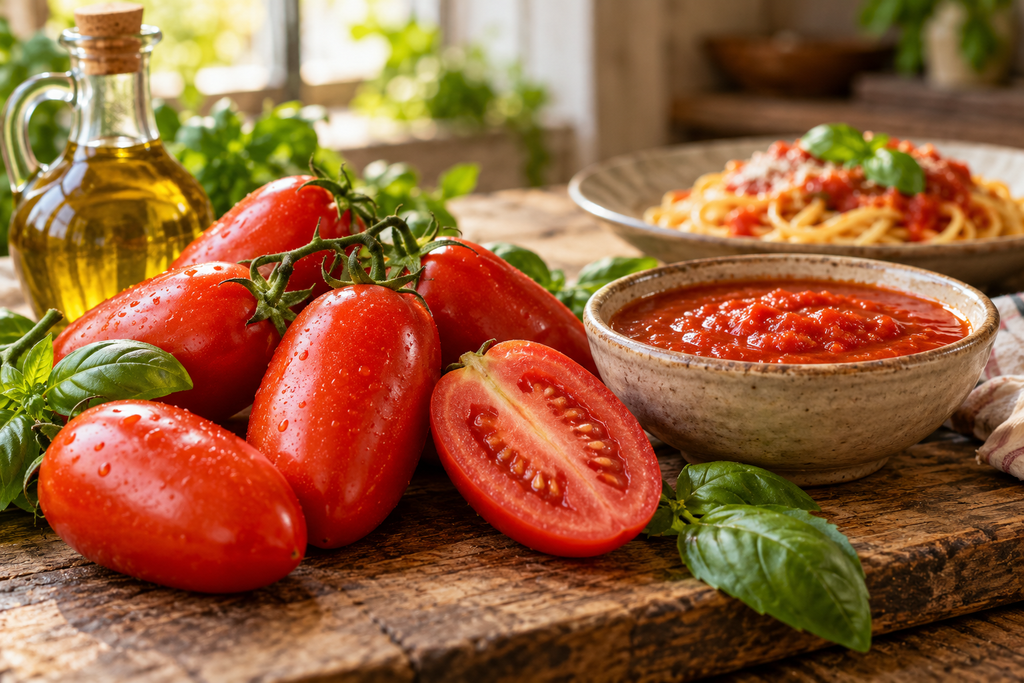
Italian tomatoes can shape the flavor of a dish long before the final garnish reaches the plate. In pizza sauce, pasta dishes, and other tomato-based recipes, their sweetness, acidity, and texture influence the result. Quality imported tomatoes give cooks another option for building those flavors, although origin alone does not guarantee a better meal.
What Makes a Good Tomato for Cooking?
A good cooking tomato should suit the recipe. A chunky sauce needs a different texture from a smooth pizza base, while a slowly simmered dish may benefit from tomatoes that break down easily. In Italian cooking, tomatoes often work alongside garlic, herbs, and olive oil. The balance between these ingredients helps determine whether the sauce tastes bright, rich, or gently savory.
The restaurant’s guide to fresh tomatoes explores their place among the simple ingredients of traditional Italian cuisine. It provides useful background for understanding why ingredient choice matters before cooking begins.
Why Consider Imported Italian Tomatoes?
Imported Italian tomatoes offer access to products grown and processed in Italy. For cooks following Italian recipes, these products can provide a practical starting point for exploring different tomato flavors and preparations.
However, the word “imported” should not replace careful selection. Read the ingredient list, consider the product’s texture, and taste the tomatoes before deciding how much seasoning the dish needs.
Some recipes specifically recommend imported tomatoes. For example, Serious Eats’ tested recipe for Italian-American tomato sauce uses whole peeled tomatoes and expresses a preference for imported DOP products. That is a recommendation for a particular preparation, not proof that every imported tomato is superior.
Whole Peeled Tomatoes or Passata?
The form of the tomato matters as much as its origin. Whole peeled tomatoes give cooks flexibility: they can be broken into pieces or blended to suit the dish. Passata provides a smoother starting point.
For example, Mutti’s whole peeled tomatoes are packed in pasta, combining firm tomato flesh with a smooth surrounding base. This illustrates why checking the contents of a can is more useful than judging only its front label.
When choosing between products, think about the finished dish. Do you want visible tomato pieces, a sauce that coats pasta evenly, or a thin layer spread across pizza dough?
How Tomatoes Influence Pizza Sauce
On pizza, tomato sauce shares the spotlight with the crust, cheese, and toppings. Its flavour should complement those ingredients, while its consistency should be easy to spread without overwhelming the base.
A useful approach is to taste the tomatoes before adding herbs or salt. Start with modest seasoning, then adjust. This allows the tomato’s character to remain noticeable rather than disappearing beneath stronger flavors.
Italian tomatoes are worth exploring here because a simple pizza offers an opportunity to compare products. Keep the dough, cheese, and toppings consistent, then notice how a different tomato changes the overall bite.
Their Role in Pasta Dishes
With pasta, tomatoes contribute both flavor and the body of the sauce. A lightly prepared sauce can offer a different experience from one cooked slowly until richer and thicker.
The right choice depends on the meal you want to make. Consider the pasta shape, the other ingredients, and whether you prefer a smooth coating or a more textured sauce.
Rather than assuming one product suits everything, experiment with small batches. Taste throughout cooking and adjust the seasoning as the sauce develops.
Appreciate the Ingredients Behind Your Meal
Understanding Italian tomatoes gives diners another way to appreciate familiar dishes. Pay attention to the sauce’s texture, its balance with cheese or herbs, and how it complements the pasta or pizza base.
When exploring the menu at Favale’s Trattoria, use those details to guide your tasting. Its website highlights handmade pasta and coal-fired pizza as two options for appreciating how a sauce works with the rest of a dish.
Whether cooking at home or dining out, thoughtful ingredient selection matters. Imported tomatoes can be part of that process, but the most useful measure is how well they work in the finished meal.