
The scent of garlic crackling in olive oil, ripe tomatoes slowly stewing into a savory sauce, and freshly torn basil releasing its aromatic oils can transport you to an Italian kitchen with just one breath. Step into a truly Italian kitchen—or better yet, one of the good Italian restaurants—and that comforting wave hits you before the front door even closes. The space is warm, often filled with the gentle clatter of cutlery, clinking glasses, and soft music weaving through conversations in low tones. Italian food has a universal charm—rich, honest, unpretentious. It’s the kind of food meant to be savored slowly, shared with laughter, and served with a side of affection.
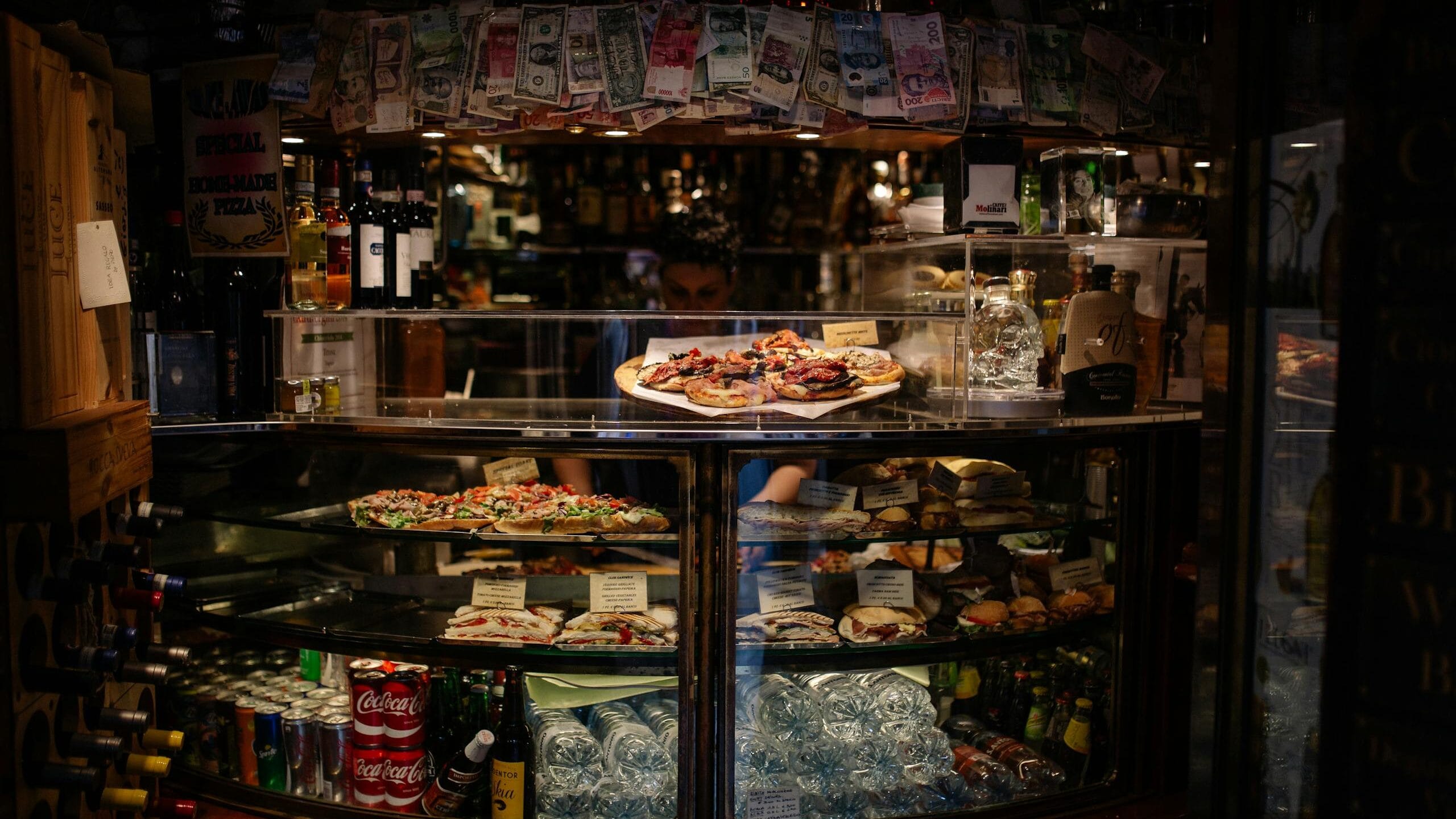
What Sets Good Italian Restaurants Apart
A truly exceptional Italian restaurant isn’t built on heavy cream sauces or overloaded cheese. It’s in the details. It’s the way a tomato is coaxed into its fullest flavor, how the pasta has just the right bite, and how restraint is exercised with a confidence that only tradition can back. Good Italian restaurants understand that flavor doesn’t need flash. It’s about balance. They know when to let the tomato be the star and when it’s basil’s time to shine. From the breadbasket to the espresso finale, every dish plays its part in a larger story of heritage, simplicity, and care.
Order Online
Ambiance That Feels Like Home
The food might bring you in, but the experience keeps you seated—and brings you back. When a restaurant nails the ambiance, it feels like an instant teleportation to a cozy spot in Naples or a tucked-away trattoria in Florence. There’s a reason people fall in love with good Italian restaurants. Rustic stone walls, soft amber lighting, wooden tables dressed in linen, and the gentle hum of the kitchen create a romantic, grounded vibe. And then there’s the welcome—a warm greeting at the door, a knowing nod from the server, and maybe even a chef peeking out to nod at regulars.
Ingredients Are the Heart of the Meal
The heart of Italian cooking lies in its ingredients. Simplicity doesn’t mean laziness—it means precision. The olive oil is real and peppery, the tomatoes are sun-ripened and juicy, and the cheeses are aged to perfection. A single clove of garlic, gently toasted, can set the tone for an entire dish. Freshness and seasonality aren’t suggestions—they’re requirements. Good Italian restaurants don’t compromise here. They’re not afraid to let a dish be simple, because when ingredients are treated with respect, simplicity becomes elegance.
Staple Dishes That Speak Volumes – Good Italian Restaurants
You can often judge an Italian restaurant by how it handles the classics. Spaghetti alla carbonara, when made properly, is a silky, savory revelation—with no cream in sight. Risotto should be soft and just loose enough to spread slightly on the plate, yet still hold shape. A Margherita pizza, with a somewhat blistered crust, fresh mozzarella, and fragrant basil, isn’t just a meal—it’s a litmus test. These dishes aren’t just menu fillers; they’re opportunities for a chef to showcase technique, tradition, and a respect for Italian culinary heritage.
Celebrating Italian Cuisine Across the U.S.
All across the U.S., you’ll find good Italian restaurants that respect the source while adding a touch of local flavor. In New York City, Carbone serves its retro red-sauce fare with unapologetic swagger, winning hearts with dishes like spicy rigatoni vodka. On the West Coast, Osteria Mozza in Los Angeles brings a modern spin with an unbeatable mozzarella bar. Down in Houston, Tony’s combines Southern hospitality with Northern Italian luxury. Chicago’s Spiaggia, once a Michelin-starred darling, honored refined Northern Italian tradition in a setting as elegant as its dishes. Even San Francisco’s Cotogna and Dallas’s Lucia bring rustic charm and passion to the plate. These restaurants prove that distance from Italy doesn’t have to mean distance from excellence.
The Rich Tapestry of Regional Italian Cooking
Italian cuisine isn’t monolithic—it’s a patchwork of regional styles, each with its soul. In the north, think creamy polenta, mushroom risottos, and buttery veal scaloppini. The flavors are rich, delicate, and earthy. Head south, and you’ll be hit with bold reds—sauces laced with garlic and chili, sun-dried tomatoes, and capers. Coastal regions like Sicily and Campania celebrate seafood, eggplants, and citrus with a vibrancy that mirrors the Mediterranean sun. Tuscany embraces a rustic charm rooted in tradition—featuring succulent grilled meats, robust legumes, and an unwavering love for lush, golden olive oil. Good Italian restaurants in America that honor these regional nuances offer more than a menu—they offer a journey.
Family-Run Gems That Steal the Show – Good Italian Restaurants
Sometimes the best Italian food doesn’t come with a reservation, a valet, or a sommelier. It comes from a grandmother stirring sauce behind the scenes, from recipes scribbled on notecards stained with olive oil. These hidden gems might not boast a sleek website or social media clout, but their food speaks volumes. You’ll find these good Italian restaurants tucked into quiet neighborhoods, their dining rooms filled with generations of customers. The menus may be small, but they’re thoughtful. And when the owner knows your name and your favorite dish, you know you’ve found something special.
Italian Cuisine for Every Diet
Italian cuisine has evolved without losing its heart, and today’s good Italian restaurants often cater beautifully to vegan and gluten-free diets. With such an emphasis on vegetables, legumes, and grains, many classic dishes are already plant-based or easily adapted. Think grilled zucchini drizzled in olive oil, mushroom risotto, or pasta tossed with garlicky cherry tomatoes and herbs. Vegan cheeses have evolved impressively, now replicating the creamy texture and savory flavor of classic mozzarella or aged Parmigiano with surprising accuracy. Gluten-free pasta made from rice, quinoa, or chickpeas is more available than ever, often handmade with the same care as traditional pasta. Dining with dietary needs doesn’t mean you have to miss out—it just means you have to find the right spot.
Feeling Overwhelmed? Go with the Classics – Good Italian Restaurants
Faced with a menu brimming with unfamiliar names, it’s tempting to panic-order something safe. But that’s no way to dine. If you’re unsure, lean into the classics. Start with antipasti—a few slices of prosciutto, maybe some burrata, or marinated artichokes. Follow that with a pasta that sings—perhaps a cacio e pepe, carbonara, or linguine with clams. If the restaurant offers wood-fired pizza, trust in the dough. And if you’re still torn, don’t hesitate to ask. Servers in good Italian restaurants know the story behind each dish—and they’re happy to share.
Dining the Italian Way
Dining out should feel like an experience, not a race. Italian meals flow like conversation. Start with antipasti to whet your appetite, move into a primo like pasta or risotto, and then enjoy a secondo, whether it’s grilled fish or roasted lamb. Salads typically come next, offering a refreshing pause that resets the palate before diving into something sweet. This pacing isn’t rigid—it’s thoughtful. Pairing the right wine brings the meal to life. A bold Chianti pairs beautifully with tomato-based dishes, while seafood craves a crisp Vermentino or Pinot Grigio. Dining this way doesn’t just feed your body—it nourishes your spirit.
Save Room for Dessert – Good Italian Restaurants
Tiramisu is more than just a sweet treat—it’s Italy in every bite. Delicate ladyfingers soaked in bold espresso are layered with velvety mascarpone cream, topped with a gentle cocoa finish, and served cool for that perfect, dreamy indulgence. Cannoli deliver crunch and cream in every bite. Gelato, smoother than ice cream, comes in flavors both classic and adventurous, and panna cotta, jiggly and luxurious, dances between creamy and light. Dessert in good Italian restaurants isn’t an afterthought—it’s a final act. One that invites you to pause, smile, and maybe sip a final espresso as the night draws to a close.
Is Takeout Still Worth It?
While Italian food is best enjoyed fresh and hot, not all hope is lost for takeout fans. Oven-baked pasta classics such as ziti or lasagna travel beautifully and maintain their flavor and structure. So do thick-crust pizzas, meatballs in sauce, or even a hearty risotto—especially if the restaurant knows how to package them with care. Lighter items like seafood pastas or crispy Neapolitan pizzas may lose a bit of luster in transit, but the flavors still hold up. When ordering to-go from good Italian restaurants, you’re trusting them not just to cook well but to travel well—and the best ones take that seriously.
Avoiding Tourist Traps – Good Italian Restaurants
Not every restaurant with an Italian flag and red-checkered tablecloth is worth your time. The signs are usually obvious—overly long menus, stock photos of every dish, and excessively sweet sauces. Authentic Italian cuisine shines without gimmicks or embellishments. Look for places where the menu is seasonal, the staff is knowledgeable, and the bread arrives warm without asking. Ask locals where they eat. Find the spot with regulars who don’t even glance at the menu because they already know what’s good. That’s where you’ll discover the real gems—the good Italian restaurants you’ll want to return to again and again.
Final Bite – Why Italian Food Never Fades
Italian food endures because it doesn’t chase trends—it stays rooted. Whether you’re slurping spaghetti at a bustling trattoria or slicing into veal in a quiet dining room, there’s something honest about the experience. It’s not just about the meal—it’s about the comfort, warmth, and heartfelt spirit behind every bite. It’s a celebration. That’s the power of good Italian restaurants. They offer more than a meal—they offer connection. And that never goes out of style.
FAQs
What makes a restaurant a good Italian restaurant?
Fresh ingredients, authentic recipes, skilled cooking, and warm, welcoming service define good Italian restaurants.
Is Italian food always pasta and pizza?
No. Italian cuisine includes a wide range of dishes—grilled meats, seafood, vegetables, soups, and incredible desserts.
Are there vegan-friendly Italian dishes?
Yes. Many dishes like mushroom risotto, eggplant caponata, and tomato-basil pastas are naturally vegan or can be adapted.
How do you know if the restaurant uses homemade pasta?
Homemade pasta tends to be less uniform in shape and has a distinct texture that holds sauce better and tastes fresher.
What’s the best wine to pair with Italian food?
Chianti goes well with red sauces, Pinot Grigio suits seafood dishes, and Barolo pairs beautifully with hearty meat-based meals.