
Eggplant Parmigiana is a beloved Italian classic. Moreover, it has earned a special place in kitchens around the world. This comforting dish combines tender eggplant, rich tomato sauce, and melted cheese. Additionally, it offers a hearty vegetarian option that delights both home cooks and guests.
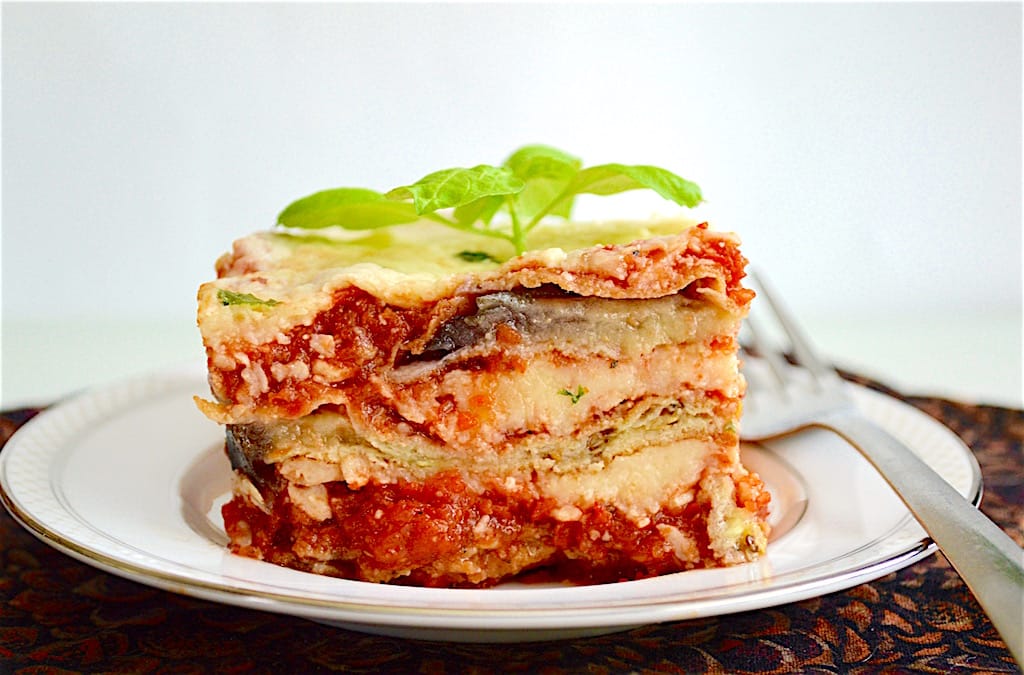
As you explore this guide, you will discover everything you need to prepare an authentic version of this timeless recipe. Furthermore, you will learn tips and techniques that elevate the texture, flavor, and overall presentation of this iconic dish.
Order Online
Understanding Eggplant Parmigiana
Eggplant Parmigiana, or Melanzane alla Parmigiana, comes from Southern Italy, especially Sicily and Campania. Additionally, it features layers of cooked eggplant, tomato sauce, mozzarella, Parmesan, and basil. Furthermore, it is baked until the top becomes golden and the layers turn tender and flavorful. Although the dish appears simple, perfecting the texture requires careful preparation.
Therefore, understanding each component helps you achieve the best results. Historically, the dish evolved from regional traditions using seasonal produce. Moreover, families passed down their methods through generations, making each version unique yet rooted in the same comforting essence.
Essential Ingredients for Flavorful Eggplant Parmigiana
Authentic Eggplant Parmigiana depends on high-quality ingredients. Fresh eggplants create the foundation of the dish, while San Marzano tomatoes offer sweetness and balance. Additionally, fresh mozzarella melts smoothly, and Parmesan adds depth. Olive oil, basil, garlic, salt, and pepper complete the recipe.
Since each ingredient influences the final flavor, choosing well ensures a richer result. In many Italian households, selecting ingredients is considered part of the cooking ritual. Therefore, the better the produce, the more vibrant and memorable the final dish becomes.
Preparing the Eggplant Parmigiana Properly
Proper preparation begins with washing and slicing the eggplants into thin, even pieces. Next, the slices should be generously salted and left to rest for about 30 minutes. After resting, the slices must be dried carefully. They can then be fried in olive oil for a traditional approach or baked for a lighter option. Both methods work well as long as the slices become tender and lightly golden.
Since salting affects the final texture, skipping this step often leads to soggy layers. Consequently, proper handling ensures balanced consistency. Moreover, well-prepared eggplant absorbs sauce beautifully, creating harmonious layers that melt together in every bite.
Creating a Rich and Balanced Tomato Sauce
The sauce defines the character of Eggplant Parmigiana. Creating it begins with heating olive oil and sautéing garlic until fragrant. Then, tomatoes are added and seasoned with salt, pepper, and a touch of sugar. Fresh basil enhances aroma and depth. Allowing the sauce to simmer for at least twenty minutes helps the flavors blend smoothly. As a result, the sauce becomes rich, silky, and full of authentic Italian character.
Therefore, homemade sauce always provides superior taste. In addition, achieving the right thickness is crucial, as a watery sauce weakens the dish’s structure. Simmering helps concentrate the flavors and create a robust base for the layers.
Assembling the Layers Correctly
Once the eggplants and sauce are ready, assembly begins. The oven should be preheated to 375°F. A thin layer of tomato sauce is spread across the bottom of a baking dish. Cooked eggplant slices are arranged on top. Another layer of sauce follows, then mozzarella and Parmesan. These layers continue in the same order until all components are used. The final layer should include sauce and a generous amount of cheese to create a golden finish.
Carefully building these layers ensures balanced flavor and structure. Consequently, each slice highlights the dish’s richness. Additionally, consistent layering helps the Eggplant parmesan bake evenly while maintaining stability.
Baking to Perfection
After assembling, the dish placed in the oven. Baking for 25 to 35 minutes allows the cheese to melt and form a golden crust fully. Additionally, the edges may caramelize slightly, enhancing the overall flavor. Once removed from the oven, the dish should rest briefly. This resting time helps the layers settle, making the Eggplant parmesan easier to slice.
Adding fresh basil or a drizzle of olive oil before serving enhances freshness and presentation. Moreover, the aroma that fills the kitchen during baking creates anticipation, making the final taste even more rewarding.
Creative Variations to Try
Although the traditional recipe is iconic, variations offer exciting possibilities. Some cooks add béchamel sauce for creaminess. Others layer roasted vegetables such as zucchini or bell peppers. Meanwhile, ricotta adds softness, and smoked mozzarella introduces bold, earthy flavor. Since each variation brings something new, experimenting lets you personalize the dish.
Additionally, some modern chefs explore grilled versions for a smoky twist. Consequently, Eggplant Parmigiana remains adaptable while maintaining its comforting soul.
Serving Suggestions and Ideal Pairings
Eggplant Parmigiana pairs well with several sides. A crisp green salad adds brightness, while garlic bread complements the richness. Additionally, simple pasta dishes create a more complete meal. Wine pairings can further enhance the dining experience. A Pinot Grigio offers refreshing acidity, while a light Chianti balances tomato and cheese flavors.
Therefore, thoughtful pairing elevates the dish’s overall impression. Moreover, serving it with sparkling water or homemade lemonade provides a refreshing contrast to the hearty layers.
Storing and Preparing in Advance
Eggplant Parmigiana is ideal for meal prepping. It can assembled a day ahead and refrigerated until baking. Furthermore, it freezes exceptionally well. Once cooled, wrap it tightly and freeze for up to 3 months. Thawing overnight in the refrigerator preserves its texture. As a result, the dish maintains exceptional quality even when prepared in advance. Additionally, reheating leftovers in the oven instead of the microwave helps preserve structure and flavor.
Avoiding Common Mistakes
Several mistakes can affect the outcome. Skipping the salting step results in overly soft layers. Using watery tomatoes creates a thin sauce. Overripe eggplants lose structure. Baking at excessively high temperatures burns the cheese. Low-quality cheese produces bland results. Avoiding these issues ensures a better, more flavorful dish. Moreover, over-layering with too much sauce can make the dish heavy. Therefore, using balanced proportions is essential.
Conclusion to Eggplant Parmigiana
Eggplant Parmigiana remains one of Italy’s most cherished dishes for its comforting texture and rich layers. Moreover, it adapts well to individual tastes and creative variations. With high-quality ingredients and proper techniques, anyone can prepare a beautiful, restaurant-quality version at home. Additionally, the dish offers a satisfying combination of nostalgia and culinary artistry.